




tourism
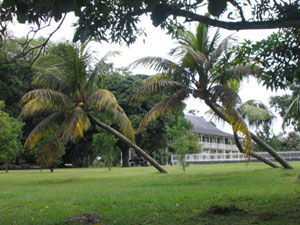
Jardin Botanique de Pamplemousses
The garden was created by Pierre Poivre in 1767 in the Estate of the French Governor Mahe de Labourdonnais. The Chateau de Mon Plaisir, built in 1735, can still be seen there.
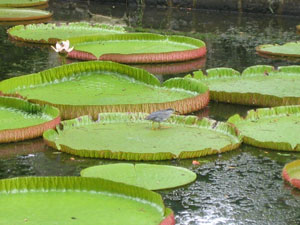
The gardens are known to naturalists throughout the world for their countless species of indigenous and exotic plants, including the giant Victorial Regia water lilies and the talipot palm, said to flower once every sixty years and then die.
Coloured Earths of Chamarel
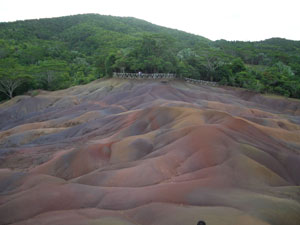
Among the oddest sites of the island are the seven-coloured dunes at Chamarel, believed to result from the weathering of volcanic rocks.
These undulating and vividly contrasted layers of earth are a short drive away from the beautiful Chamarel waterfalls.
The Bird Garden of Casela
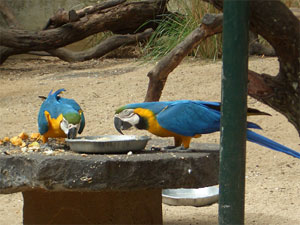
Set in a magnificient site between Bambous and Tamarin in the Riviere Noire district, the Casela Bird Park hosts some 140 varieties of birds from around the world.
The main attraction remains the Mauritian Pink Pigeon, one of the rarest birds in the world, still fighting to avoid the fate of the dodo.
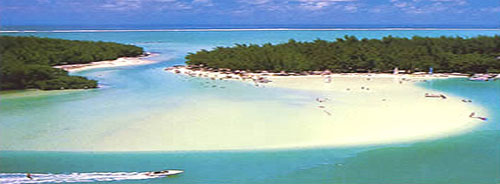
Ile aux Cerfs
There are no stags (cerfs) remaining on this small island which now belongs to Le Touessrok Sun Hotel and attracts large numbers of holiday-makers on the island.
The ferry runs several times each hour between 9 am and 4 pm and costs approx. Rs100 per person return.
What you get when you step off the ferry is a sheltered, spectacular beach and lagoon for water sports or sunbathing, restaurants and several souvenir stalls. You can walk only around the seaward half of the island, that is, clockwise from the landing site. On the island, there is a boat house where you can hire water skis, pedalos, sailboards, surfcats, dinghies and canoes. Two-hour boat trips are offered to the Grande Rivière Sud-Est waterfall; and there's also a tour around Île aux Cerfs.
Domaine Les Pailles
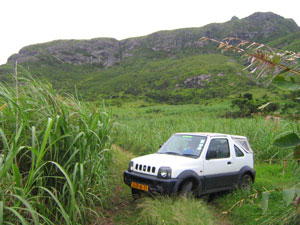
Ten minutes south of Port-Louis lies the nature park of Domaine Les Pailles, stretching over 3,000 acres at the foot of the Moka mountain range. You can choose between touring the park in a Land-Rover, riding in a horse-drawn carriage or in a train. The gardens also feature a replica of an ancient sugarmill, an "alambic" - an apparatus formerly used in distilling rum, a spice garden and a natural spring.
Le Val Nature Park
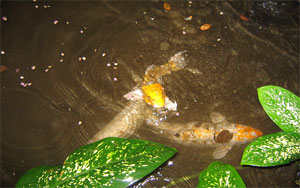
Situated in the south-east of the island at Cluny, Le Val offers a view of the natural aquatic life of shrimps, eels and freshwater fish. The park also hosts anthurium green-houses, watercress ponds, deer parks, as well as monkeys and various bird species.
Domaine du Chasseur (Anse Jonchee, Vieux Grand Port)
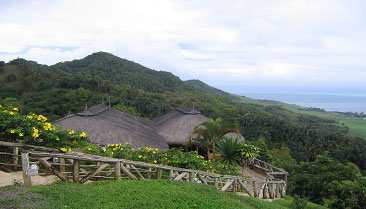
Situated in the south-east of the island, near Mahebourg, in the heart of abundant greenery, Le Domaine du Chasseur covers about 1,950 acres. It is also an exciting natural hunting ground with its herds of some 1,000 deer and hundreds of wild boar. Lovers of leafy walks can chose between 5 and 15 kms long, allowing them to admire rare kinds of trees and protected species, such as the famous windhover kestrel.
A panoramic restaurant with a very good typically Mauritian menu completes the attractions of this unusual trip, which has become a must for hunters, walkers and... gourmets.
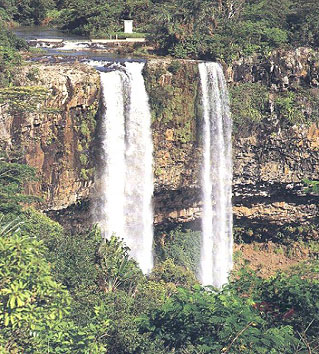
Tamarin Falls
These falls are worth the effort for a beautiful, deep, cool bathe at the bottom of the series of seven falls. You can see them from the Vacoas side, if you follow the sign from Henrietta.
A tarred, bumpy road through cane fields leads to the Magenta and Tamarind Falls turn-off, continue through all the 'Private Estate', 'Permit Needed' and 'Prohibited Entry' signs, down towards the power station.
Leave your car or bike and walk along the river up to the falls. The path is quite heavily overgrown and you must cross to the other side and boulder-hop the last 300m along the river bed to reach the top, but you will be richly rewarded!
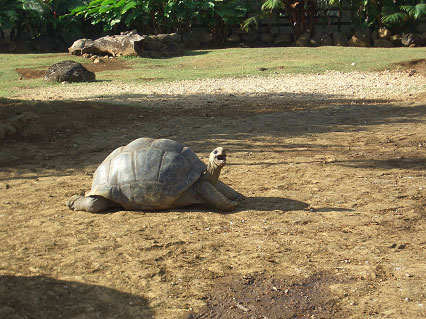
Vanilla Crocodile & Tortoise Park
Enter this glittering forest and discover a haven of luscious tropical flora: find a variety of endemic and exotic plants. In these lush green surroundings where banana and palm trees as well as giant bambous grow, more than a thousand Nile crocodiles are bred.
On a guided tour, you will meet these animals in their breeding ponds, in perfect safety.


